
The EU is Deploying Democracy Shield Against Fascism
Ursula von der Leyen is proactively protecting democracy for Europe and America should follow her lead

My Fellow Democracy Defenders,
The European Union is building a Democracy Shield. Led by the brave Comissioner Ursula von der Leyen, Europe is proactively battling fascism. They have learned the lessons of history and want to prevent Hitler from repeating. Americans should support their efforts to defend democracy around the world. Today, I have written an analysis of the EU’s powerful shield.
If you enjoy my work, please support here:
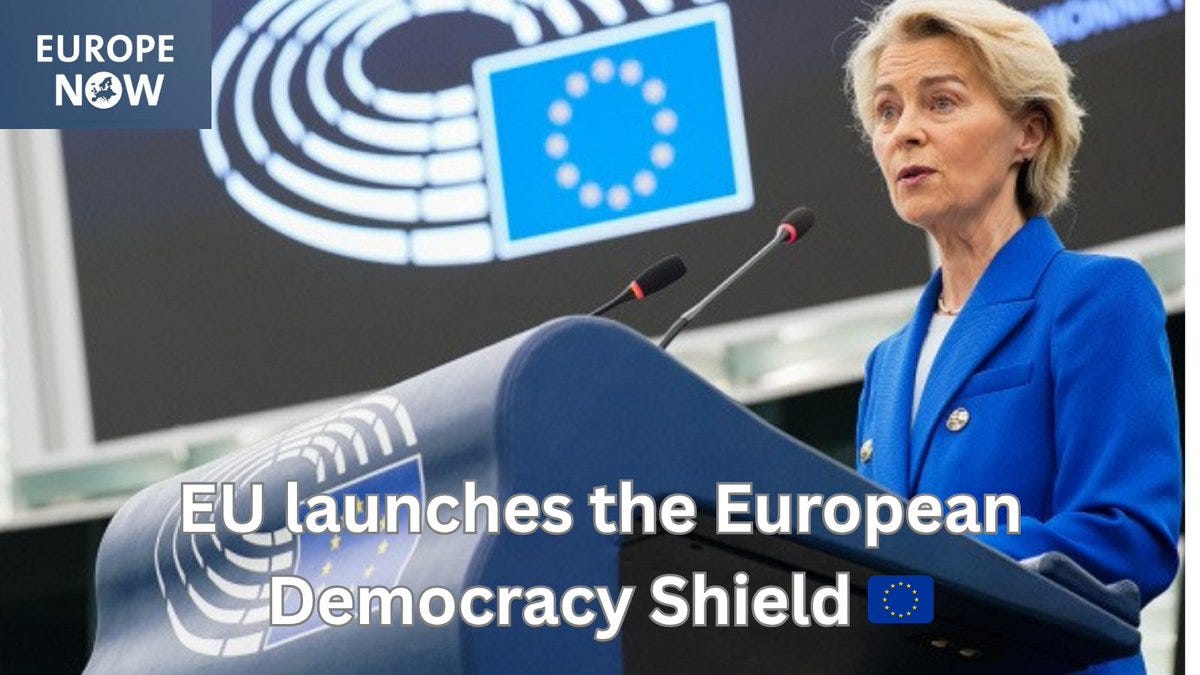
The European Democracy Shield: Strengthening Resilience in an Era of Democratic Challenges
Introduction
Democracy is the cornerstone of the European Union (EU), underpinning its values of freedom, rule of law, and human rights. However, in recent years, democratic institutions across Europe have faced unprecedented threats from foreign disinformation campaigns and cyberattacks to rising populism and authoritarian influence. In response, the EU has proposed the European Democracy Shield, a comprehensive set of measures designed to empower, protect, and promote resilient democracies within its member states. This initiative is not only timely but essential in safeguarding the EU’s democratic foundations against internal and external threats. By enhancing transparency, countering disinformation, strengthening electoral integrity, and fostering civic engagement, the European Democracy Shield represents a proactive and necessary step toward securing democracy in the 21st century.
The Threats to European Democracy
Before examining the benefits of the European Democracy Shield, it is crucial to understand the challenges it seeks to address. Democracy in Europe is under siege from multiple fronts:
Foreign Interference and Disinformation: Authoritarian regimes, particularly Russia and China, have engaged in systematic disinformation campaigns to sow division, undermine trust in institutions, and influence elections. The 2016 Brexit referendum and the 2017 French presidential election were marred by foreign-backed disinformation, demonstrating the vulnerability of democratic processes.
Cyberattacks and Hybrid Warfare: State-sponsored cyberattacks on critical infrastructure, electoral systems, and media outlets have become a growing concern. The 2017 hack of the German Bundestag and the 2020 cyberattack on the European Medicines Agency highlight the need for robust digital defenses.
Rising Populism and Polarization: Far-right and far-left movements have exploited economic anxieties and cultural grievances to erode trust in democratic institutions. Populist leaders often undermine judicial independence, media freedom, and minority rights, weakening democratic norms.
Declining Civic Engagement: Voter apathy, distrust in political elites, and the spread of conspiracy theories have contributed to a crisis of democratic participation. Without active citizen engagement, democracy becomes vulnerable to manipulation.
These threats are not isolated; they reinforce one another, creating a perfect storm that undermines the stability of European democracies. The European Democracy Shield is a direct response to these challenges, offering a multi-faceted approach to fortify democratic resilience.
The Pillars of the European Democracy Shield
The European Democracy Shield is built on three key pillars: protection, empowerment, and promotion of democracy. Each pillar addresses a specific vulnerability while reinforcing the EU’s democratic framework.
1. Protection: Safeguarding Democratic Institutions
A strong democracy requires robust defenses against external and internal threats. The European Democracy Shield introduces several protective measures:
Countering Disinformation and Foreign Influence: The EU’s Action Plan Against Disinformation and the European Digital Media Observatory (EDMO) provide tools to detect, analyze, and counter false narratives. By enhancing media literacy and supporting fact-checking initiatives, the EU can reduce the impact of propaganda.
Strengthening Cybersecurity: The NIS2 Directive and the Cybersecurity Act establish stricter security standards for critical infrastructure, including electoral systems. By improving cyber resilience, the EU can prevent foreign actors from disrupting democratic processes.
Protecting Electoral Integrity: The European Cooperation Network on Elections facilitates information-sharing among member states to prevent foreign interference in elections. Additionally, the Defence of Democracy Package proposes measures to regulate political advertising and foreign funding of political parties.
Safeguarding Media Freedom: The European Media Freedom Act (EMFA) ensures editorial independence and protects journalists from political pressure. A free and pluralistic media is essential for an informed electorate.
2. Empowerment: Strengthening Civic Participation
Democracy thrives when citizens are engaged and informed. The European Democracy Shield seeks to empower individuals and civil society through:
Enhancing Transparency and Accountability: The EU Whistleblower Directive protects those who expose corruption, while the Transparency Register ensures lobbying activities are conducted openly. Greater transparency reduces opportunities for undue influence.
Supporting Civil Society and Independent Media: The Citizens, Equality, Rights and Values (CERV) Programme provides funding for NGOs, watchdogs, and investigative journalism. A vibrant civil society acts as a check on government power.
Promoting Digital Literacy: The European Digital Education Action Plan equips citizens with the skills to navigate online information critically. By reducing susceptibility to disinformation, the EU can foster a more resilient electorate.
Encouraging Youth Participation – Initiatives like the European Youth Portal and EU Youth Dialogue ensure young people have a voice in policymaking. Engaging the next generation is vital for the long-term health of democracy.
3. Promotion: Advancing Democratic Values Beyond Borders
The EU’s democratic influence extends beyond its borders. The European Democracy Shield includes measures to promote democracy globally:
Supporting Democratic Transitions: The European Endowment for Democracy (EED) provides funding to pro-democracy movements in neighboring countries, particularly in the Eastern Partnership and the Western Balkans.
Condemning Authoritarianism: The EU’s Global Human Rights Sanctions Regime allows it to impose travel bans and asset freezes on individuals responsible for human rights abuses. This sends a clear message that democratic backsliding will not be tolerated.
Strengthening International Alliances: The EU collaborates with like-minded democracies, such as the U.S., Canada, and Japan, to counter authoritarian influence. The Summit for Democracy and the Alliance for Multilateralism reinforce global democratic norms.
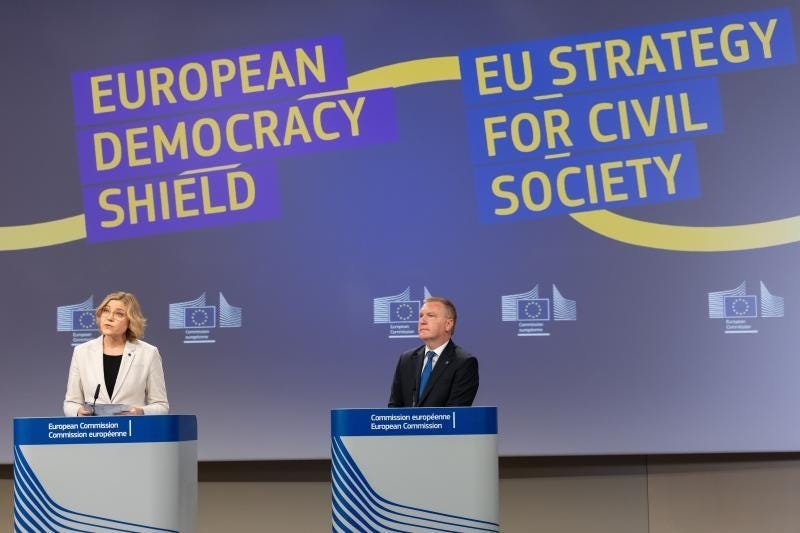
Why the European Democracy Shield is Necessary
Critics may argue that the European Democracy Shield represents an overreach of EU authority or that it could stifle free speech. However, these concerns are misplaced. The initiative does not seek to control public discourse but rather to protect it from manipulation. Here’s why the Shield is essential:
Preventing Democratic Backsliding: Countries like Hungary and Poland have seen democratic erosion under populist leaders. The Shield provides tools to hold governments accountable and prevent further decline.
Ensuring Fair Elections: Foreign interference in elections distorts the will of the people. By securing electoral processes, the EU ensures that democracy remains representative.
Countering Authoritarian Influence: Russia and China actively undermine European democracy through disinformation and economic coercion. The Shield provides a unified response to these threats.
Fostering Trust in Institutions: When citizens believe their voices matter, they are more likely to participate in democracy. The Shield’s transparency and accountability measures help restore faith in governance.
Setting a Global Example: As a union of democracies, the EU has a responsibility to lead by example. The Shield reinforces the EU’s role as a defender of democratic values worldwide.
Conclusion
The European Democracy Shield is not just a policy. It is a necessary defense mechanism for the world’s largest democratic project. In an era where democracy is under assault from disinformation, cyber threats, and authoritarian influence, the EU must take decisive action to protect its foundational values. By protecting electoral integrity, empowering citizens, and promoting democratic norms, the Shield ensures that Europe remains a beacon of freedom and resilience.
Democracy is not self-sustaining; it requires constant vigilance and adaptation. The European Democracy Shield provides the tools needed to confront 21st-century challenges while reinforcing the principles that have made the EU a model of democratic governance. In an increasingly uncertain world, this initiative is not just beneficial. It is essential for the survival of democracy in Europe and beyond.
Ironic that the Shield is necessary for defense against the United States which used to be the cradle of democratic principles, lost to Trumps fascist policies
Excellent overview and update. Recommended reading.